Application Scope
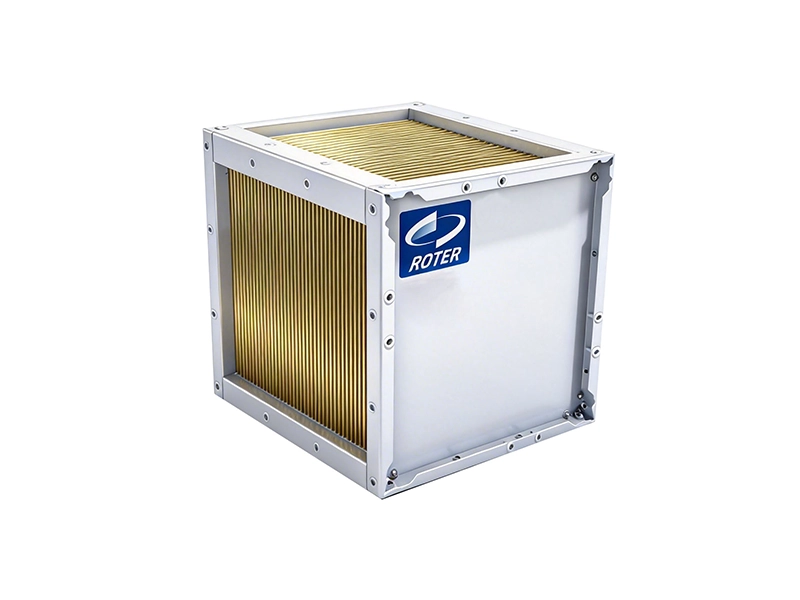
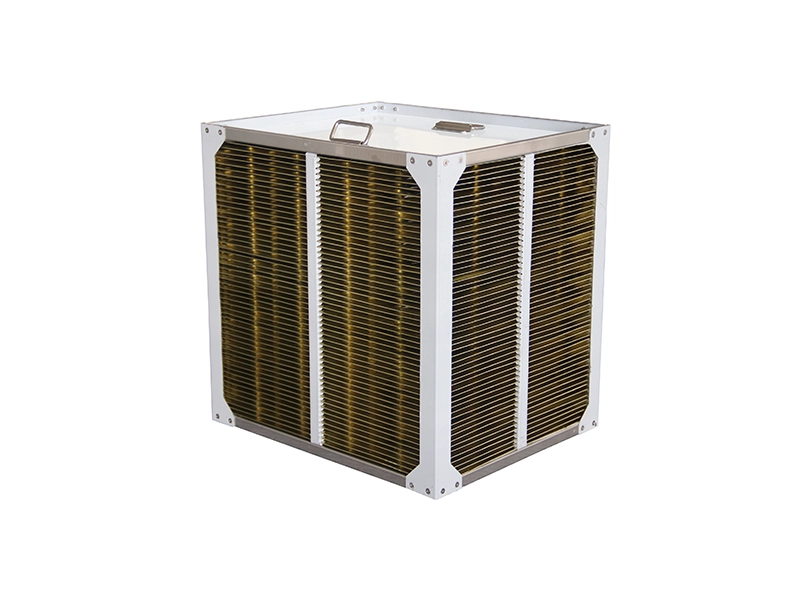
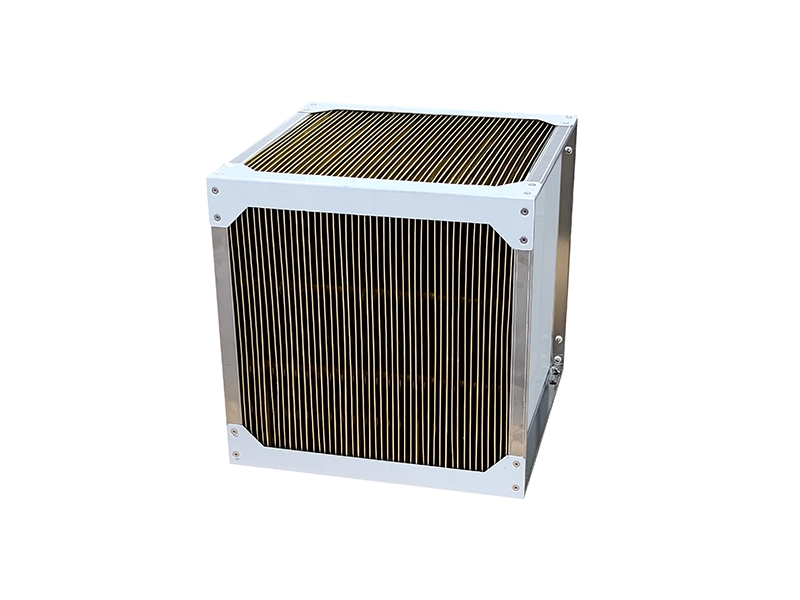
Plate Sensible Heat Exchanger is widely applied in ventilation and air exchange, energy recovery, cooling, heating, dehumidification, and waste-heat recovery across industries such as HVAC, telecommunications, electric power, textiles, automotive, food, medical, agriculture, animal husbandry, curing rooms, drying, welding, and boilers.
Functional Features
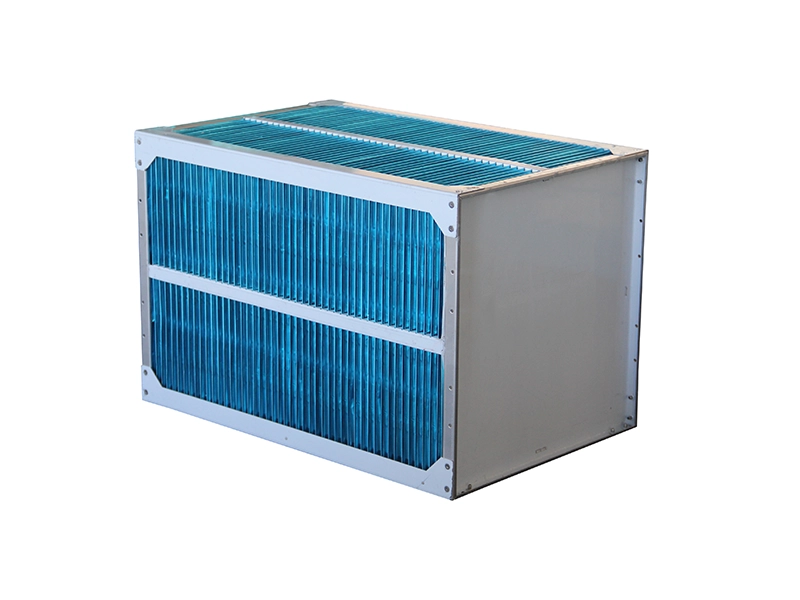
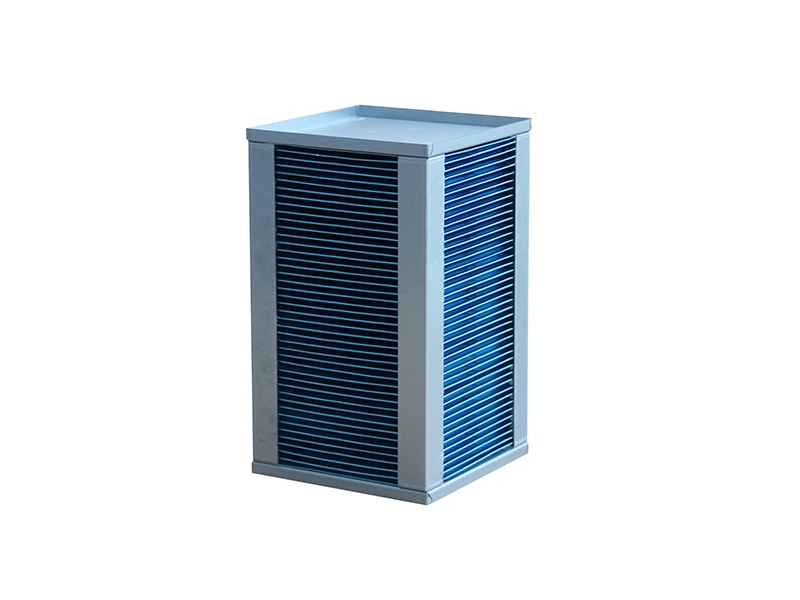
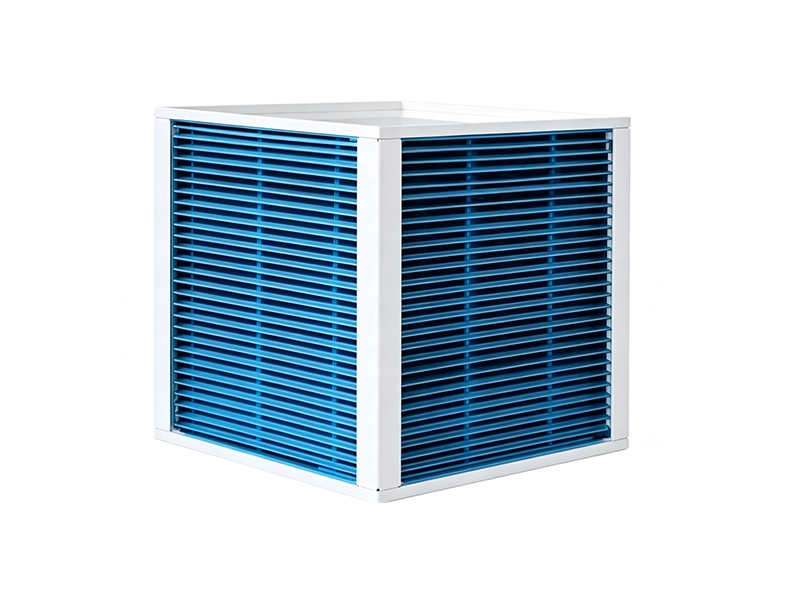
1. Plate Sensible Heat Exchanger uses high-quality hydrophilic-coated aluminum foil as the heat-transfer medium, processed with a special technique, featuring high heat-exchange efficiency, easy maintenance, and a long service life.
2. Epoxy-coated aluminum foil can be adopted for stronger corrosion resistance, suitable for special applications.
3. A wide range of sizes and plate spacings (2.5 mm–12 mm) are available.
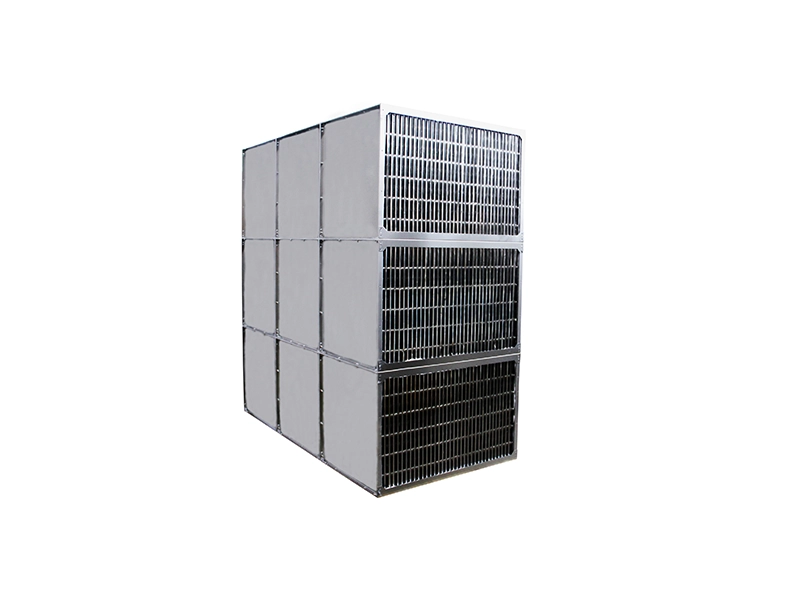
4. The modular structure allows any combination of cross-sectional size and plate-stack thickness; with no moving parts, the equipment incurs low maintenance costs.
5. Compact structure and small size make it suitable for various applications.
Manufacturing Process
1. The heat exchanger surface is formed with spiral corrugations that enhance heat transfer, increasing the heat-transfer area by approximately 10%.
2. The air channels are supported by stamped bosses, ensuring high channel strength and firmness, with strong capability to withstand fresh- and exhaust-air pressure.
3. The fresh-air and exhaust-air channels cross each other and are separated by aluminum foil; the inlet and outlet edges adopt a five-layer hemming combined with corrugated interlocking-seam technique, giving higher edge strength and more reliable sealing.
4. All joints are sealed with sealant and treated with seam-gluing, ensuring the air-tightness of the heat exchanger.
Note: The core frame can be specified in different materials and plate thicknesses (such as galvanized sheet, galvalume sheet, aluminum sheet, painted steel sheet, painted galvanized sheet, stainless steel, etc., to meet anti-corrosion requirements). Frame connection methods include screws, snap-fits, and flanges.
Material Types
Series B — Standard type:
Made of hydrophilic aluminum fins and a galvanized steel frame; maximum operating temperature 100°C; suitable for virtually all operating conditions.
Series F — Anti-corrosion type:
Uses epoxy-coated aluminum fins and a galvanized steel frame; maximum operating temperature 100°C; suitable for strongly corrosive operating conditions.
Series G — High-temperature type:
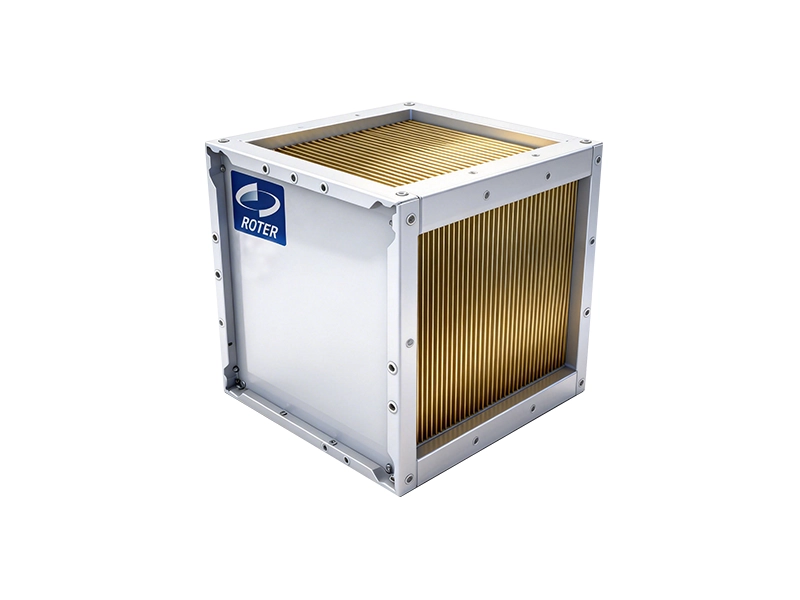
Stainless steel fins and stainless steel frame, sealed with a dedicated sealant; maximum operating temperature 300°C; suitable for high-temperature airflow conditions.