










Copyright © 2026 ROTER Fresh Air Technology Wuxi Co., Ltd. All Rights Reserved. Website Design by Wangke
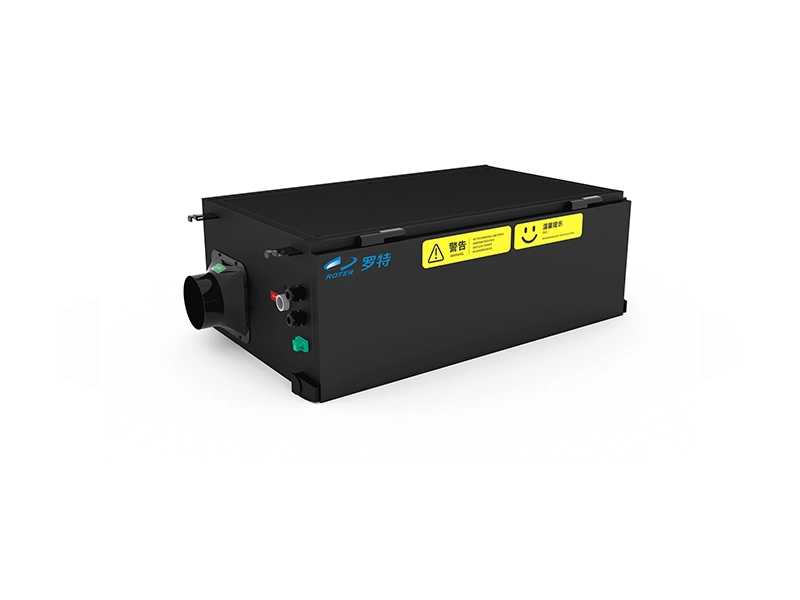
Whole House Ventilating Dehumidifier (Uni-directional Airflow)
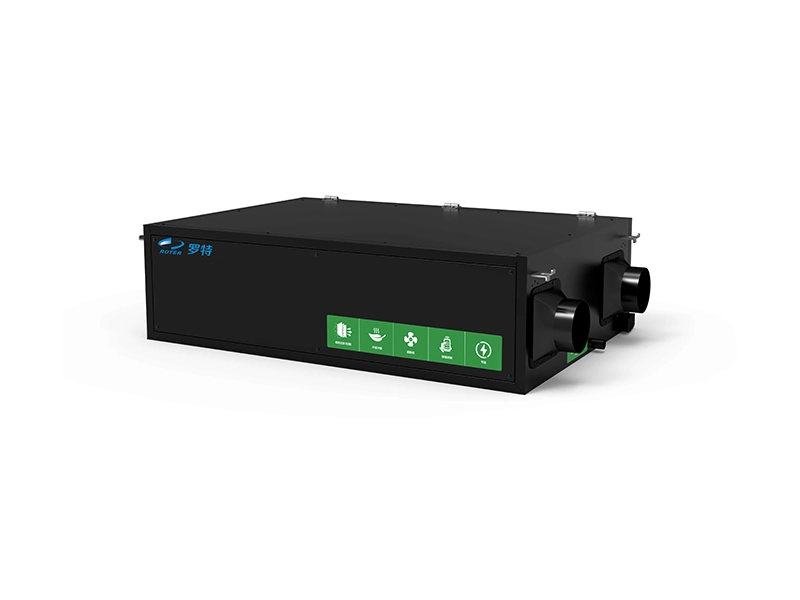
Whole House Ventilating Dehumidifier (Bi-directional Airflow)
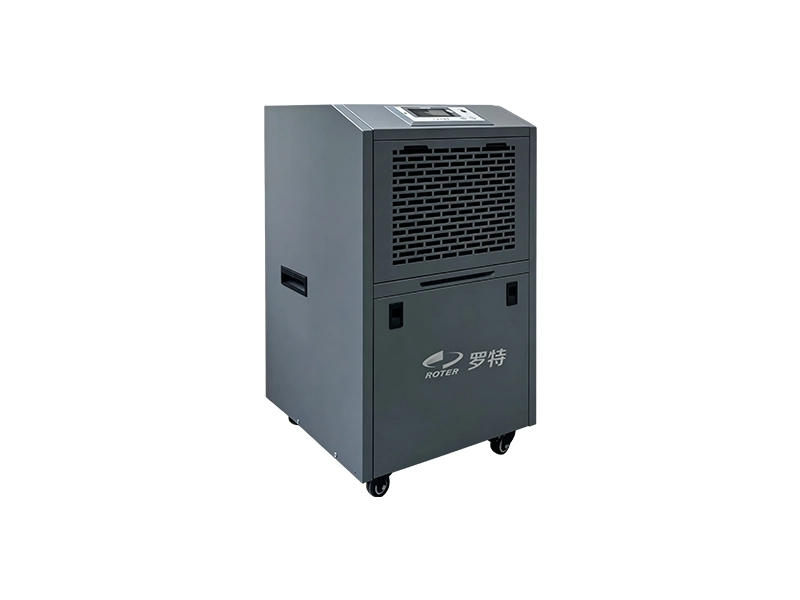
Industrial Dehumidifier
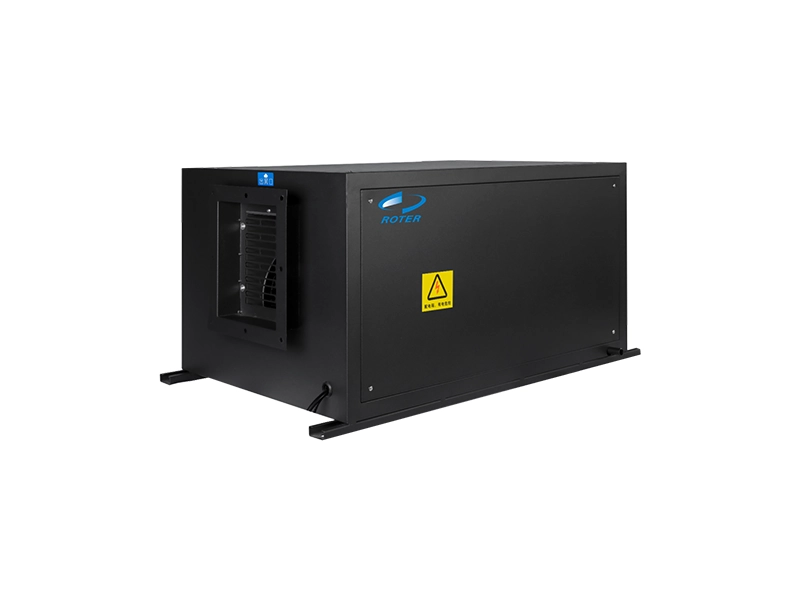
Ceiling-Mounted Dehumidifier
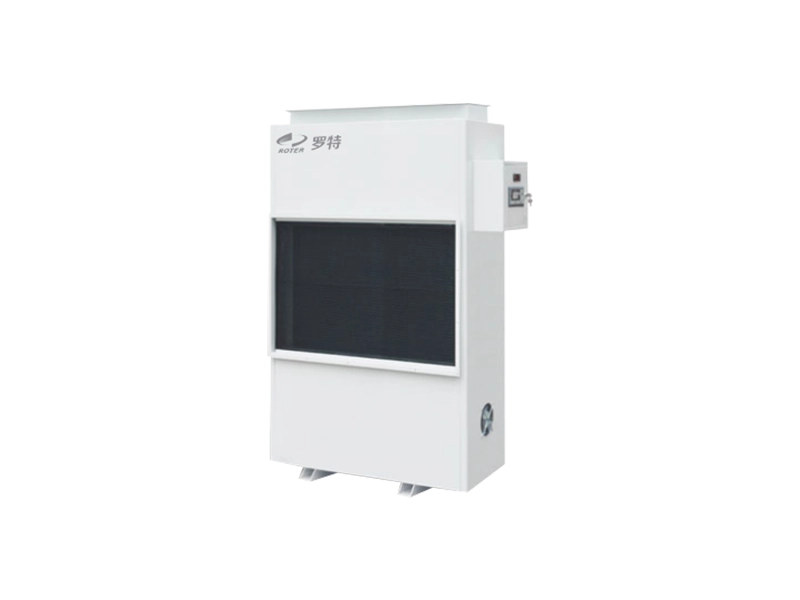
Drying Dehumidifier
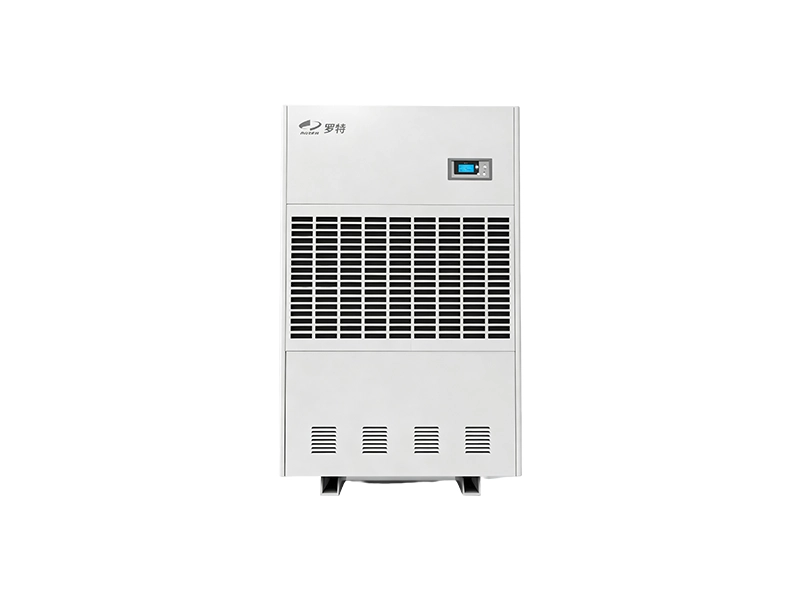
Low-Temperature Freeze-Type Dehumidifier
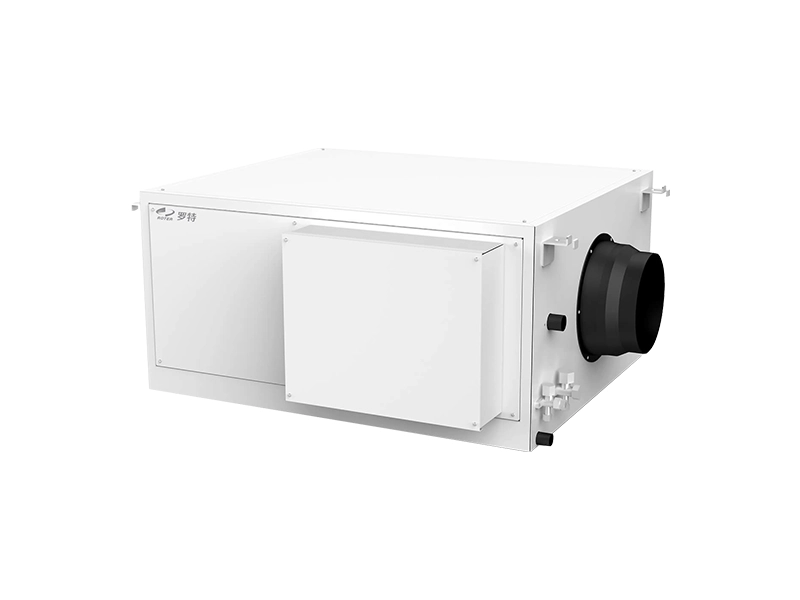
Wine Cellar Dehumidifier
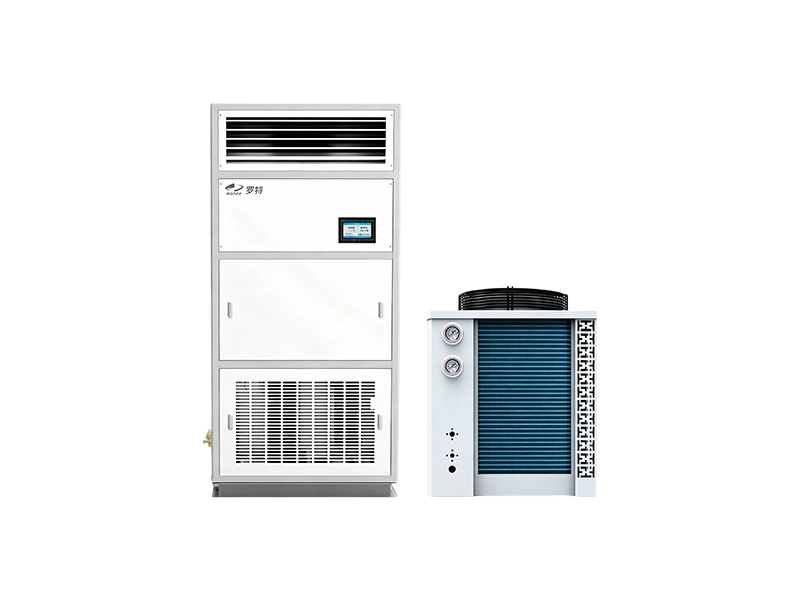
Cabinet-Type Constant Temperature & Humidity Unit
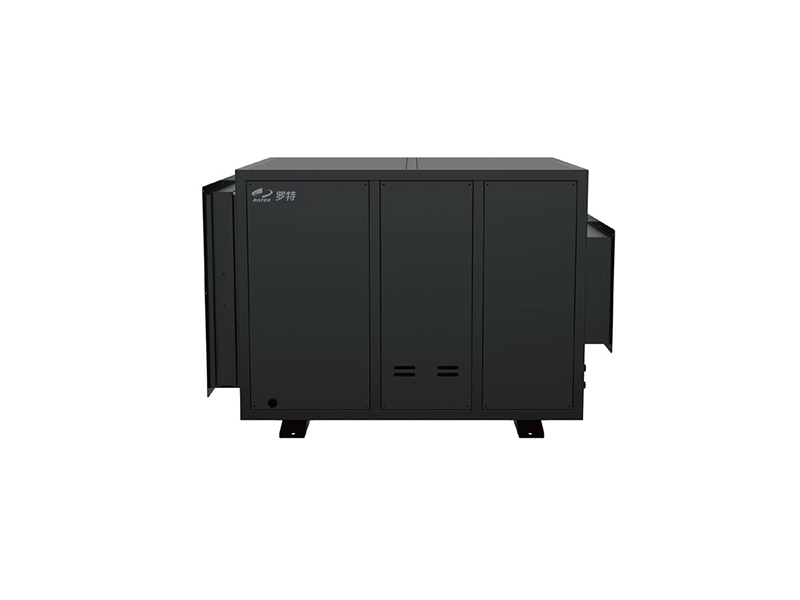
Fresh-Air Dehumidification All-in-One Unit
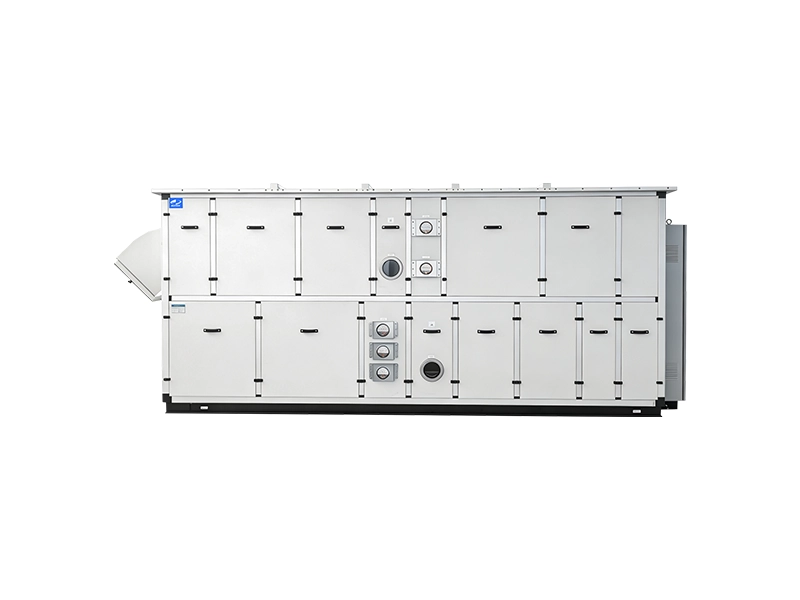
Low Dew Point Desiccant Rotor Dehumidifier Unit
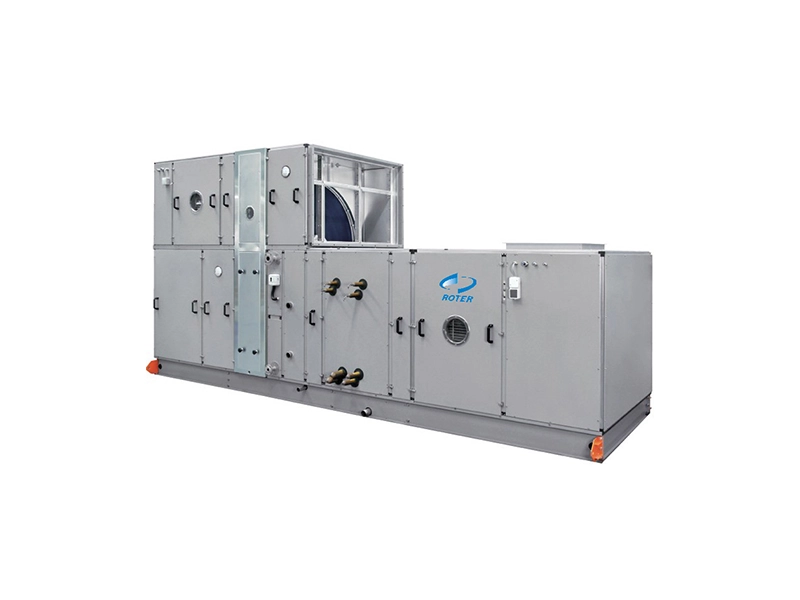
Modular Desiccant Rotor Dehumidifier Unit
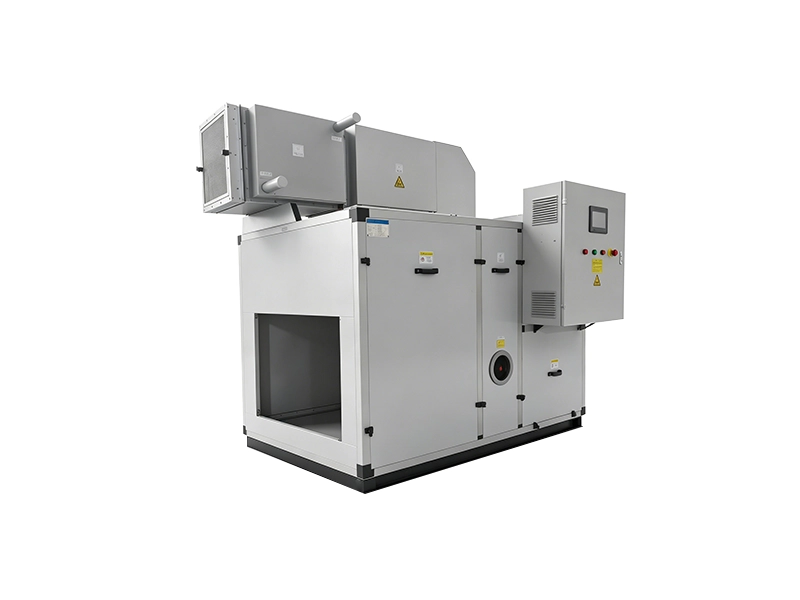
Wheel-Section Wheel Desiccant Dehumidifier Unit
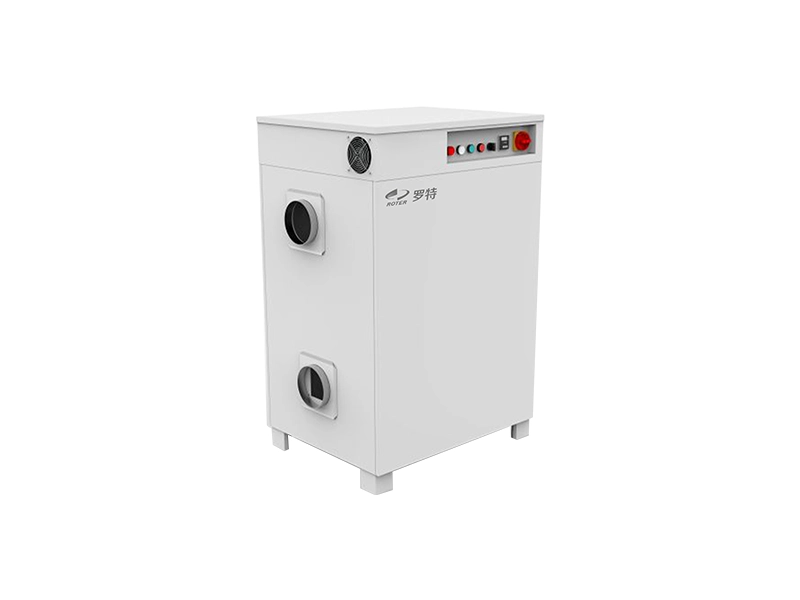
Small rotary dehumidifier
ROTER's dehumidifier series covers three quite different problems: holding a humidity band in a conditioned room, pulling air below the comfort range in a dry room, and removing moisture as part of an industrial drying process. The series includes wheel desiccant units, refrigeration-based units and combination units that handle both temperature and humidity in one package.
A desiccant wheel dehumidifier holds the rotor in a steady state by alternating between dehumidification and regeneration, so it can reach humidity levels a refrigeration unit cannot. The ROTER range runs from small units to low dew point units capable of going below 1% relative humidity.
| Unit | Designed for | Scenarios |
|---|---|---|
| Ceiling-mounted dehumidifier | Quiet ceiling installation in large spaces | Villas, hotels, swimming pools, large warehouses, server rooms, pharmaceutical factories, workshops |
| Drying dehumidifier | Heating and drying as part of a production process | Food, chemical, pharmaceutical, paper, leather, wood and agricultural by-product processing |
| Low-temperature freeze-type dehumidifier | Dehumidification at low temperatures without losing capacity | Pharmaceutical cold-storage warehouses, cool-storage warehouses, cold-chain logistics, seed banks, electronics storage |
| Wine cellar dehumidifier | Stable cellar humidity in LTCS-06, LTCS-10 and LTCS-13 models | Wine cellars, electronics workshops, museums, server rooms, laboratories |
| Cabinet-type constant temperature and humidity unit | Holding both temperature and humidity steady | Laboratories, museums, archives, equipment rooms, production workshops, warehouses |
Common dehumidification methods include refrigeration, compression, solid adsorption, liquid absorption and rotary desiccant. Refrigeration is the most economical below roughly 20°C and 60% relative humidity, but its capacity falls as the air gets colder and the coil ices up. Solid adsorption and liquid absorption handle low temperatures but consume more energy and need regeneration. The rotary desiccant method is not affected by temperature in the same way and can reach below 1% relative humidity, which is why it is specified for lithium battery, pharmaceutical and electronics production where the humidity control band keeps tightening.

A technology-based enterprise dedicated to air quality research and professional manufacturing of efficient and energy-saving ventilation equipment